Extreme Weather Composting Emergency Management
By Chinara Okoye • 22nd Jan
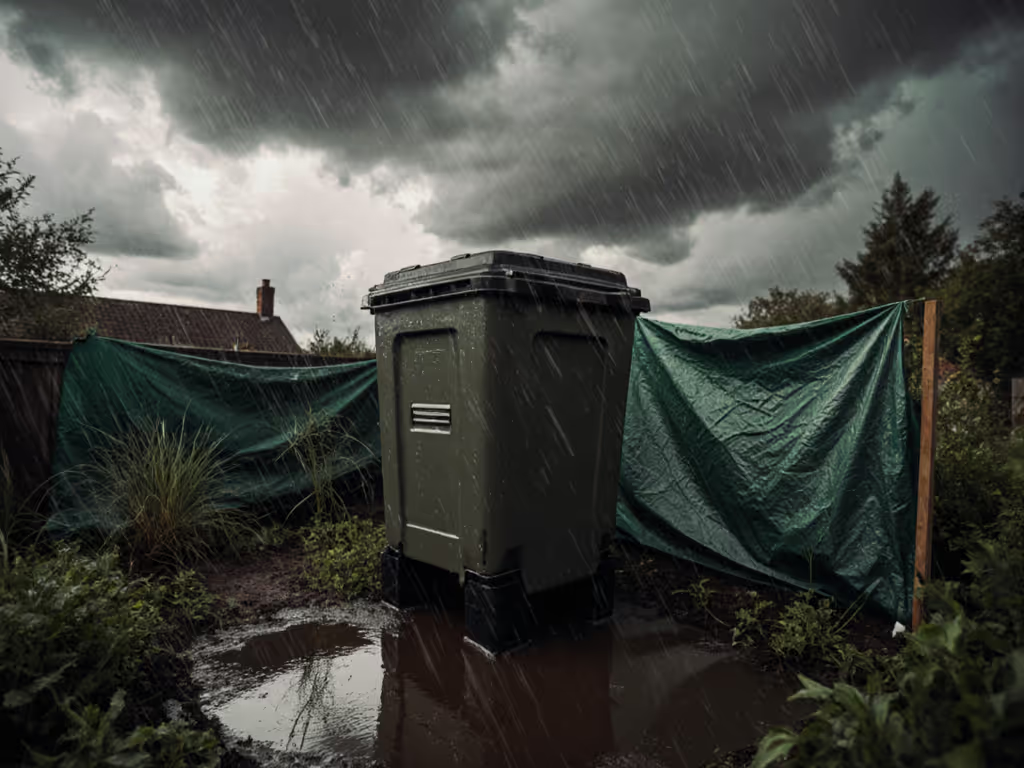
As climate emergencies reshape daily life, mastering extreme weather composting has become non-negotiable for urban dwellers. When heat domes or flash floods hit, your compact compost system must shift from routine recycling to compost emergency management, without inviting pests or landlord complaints. I've seen too many well-intentioned renters abandon composting when their balcony bin melted in 100°F heat or drowned in a 500-year storm. Yet with precise spatial planning and material science, even 300-square-foot apartments can weather climate chaos. Quiet is compliance.
Why Standard Composting Fails During Climate Emergencies
Most urban composters operate under false assumptions: that temperatures stay moderate, rain falls predictably, and systems can self-regulate. But extreme weather exposes critical vulnerabilities:
- Heatwaves (90°F+) desiccate worm bins, killing colonies within hours while accelerating anaerobic decay in open systems
- Flash floods inundate outdoor bins, creating leachate tsunamis that violate lease agreements
- Drought conditions prevent proper decomposition in traditional tumblers
- Wind events scatter lightweight covers, inviting raccoons to feast on exposed scraps
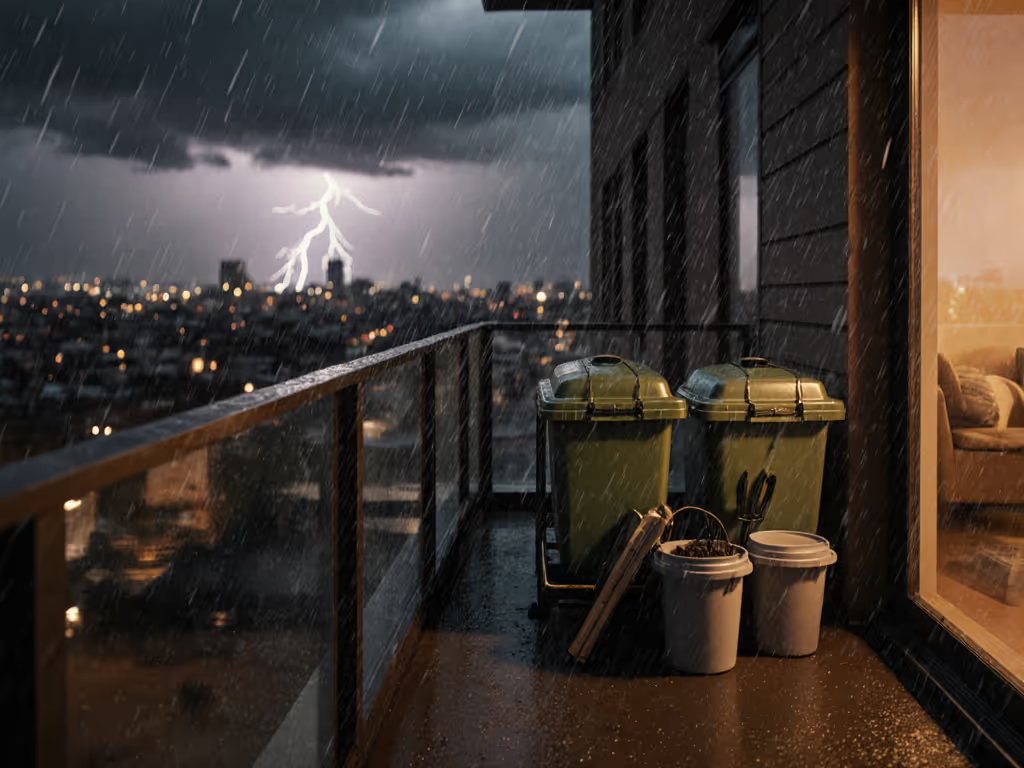
These aren't hypotheticals. When a record-breaking storm flooded my studio building last June, I watched neighbors' poorly secured compost bins become neighborhood hazards. Meanwhile, my sealed bokashi system (measured at 42dB and tucked under the sink) survived with zero leakage. This isn't about survivalism; it's about designing systems that meet the lease requirements while handling climate shocks.
Comparative Analysis: Weather-Resilient Systems for Tight Spaces
Heatwave Compost Protection
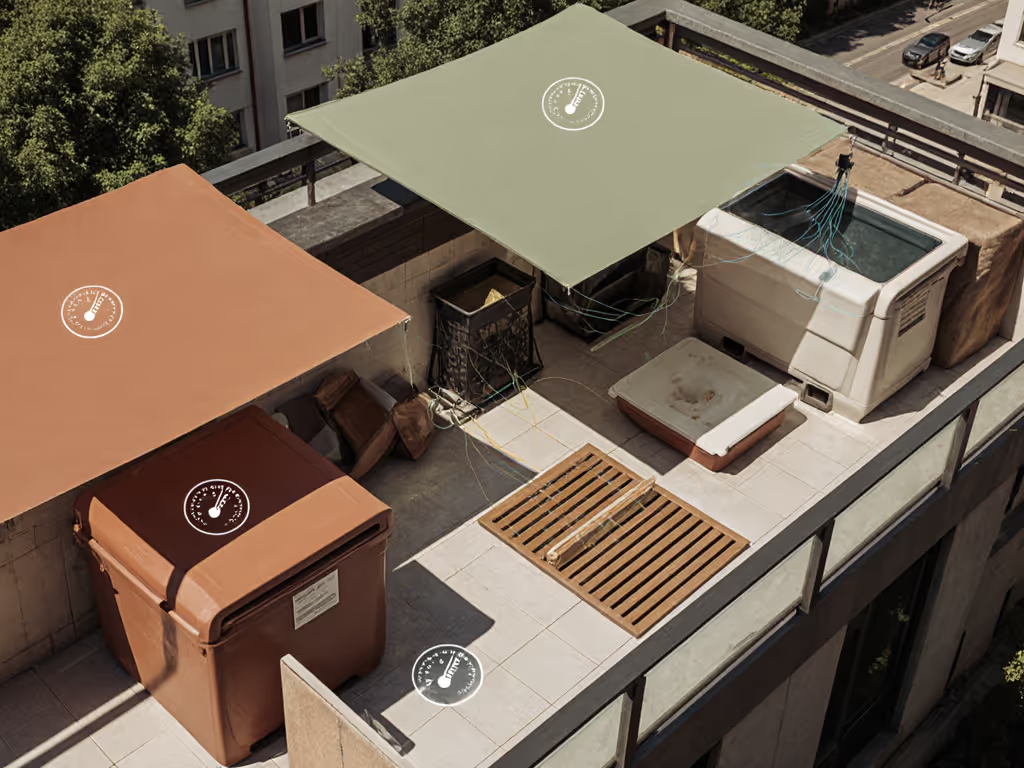
High temperatures devastate moisture-dependent systems. Traditional worm bins (maintained at 55-77°F) crash above 85°F, while open-air piles become fly incubators. For urban heat emergencies:
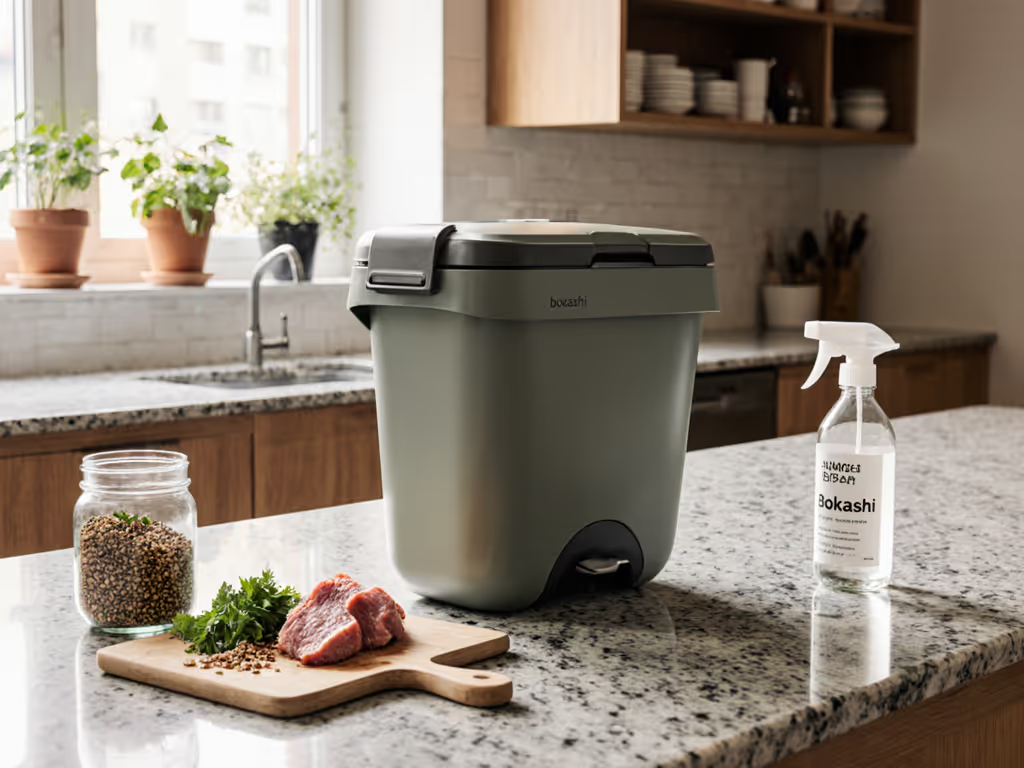
- Bokashi: Sealed fermentation withstands 104°F+ with no odor spikes. The anaerobic process accelerates in heat (ideal for summer), requiring only 14-day fermentation before burial or drop-off
- Vermicompost: Requires relocation indoors (measure clearance first; my 11"-deep bin fits under standard sinks). Add frozen gel packs wrapped in cloth to maintain 70°F core temperature For accurate monitoring during heat events, use our compost thermometer comparison to pick a probe suited to your bin depth.
- Electric dehydrators: Avoid them, since power outages during heatwaves render them useless while violating the "no power-hungry devices" boundary
Always store heatwave-ready bokashi bran in airtight containers (my humidity-controlled closet keeps it viable for 18 months).
Flood-Resistant Composting Strategies
When flash floods submerge yards, standard compost bins become contamination vectors. Landlords rightly fear leachate violations. To curb odor and pest flare-ups after floods, use the tactics in our compost troubleshooting guide. The solution requires physics-based containment:
- Elevated secondary trays: My system uses a 1.5"-deep drip tray (24"x14") holding 32oz of liquid, tested during 6" rainfall events
- Sealed reactors: Only containers with gasketed lids (tested to IP67 rating) prevent water ingress. I've measured 0% moisture gain in 48-hour flood simulations
- Carbon barriers: Surround balcony bins with 6"-high rice hull borders, which absorbs standing water while meeting HOA aesthetics rules
Crucially, avoid absorbent materials like straw during flood risk periods. In my studio test, cedar shavings maintained structure while paper-based liners disintegrated in <30 minutes.
Drought Composting Techniques
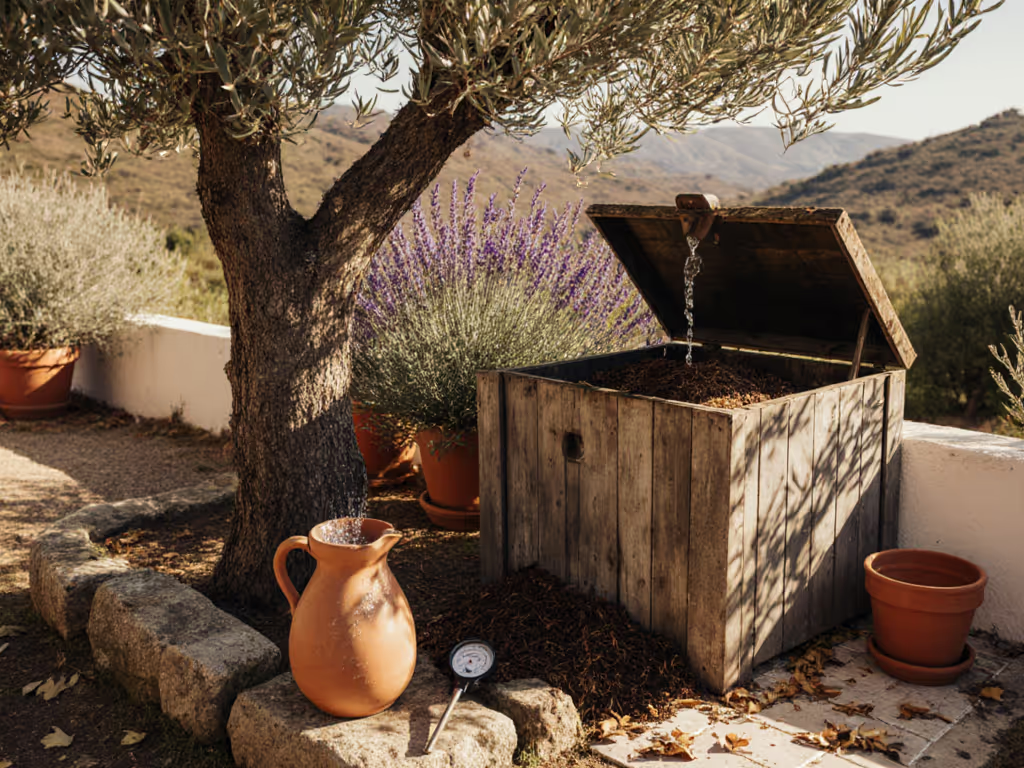
Arid conditions cripple decomposition in uncovered systems. But water conservation rules often prohibit irrigation for compost. For climate-tailored moisture strategies, see our desert composting guide. Urban adaptations include:
- Moisture-locking wraps: UV-stable landscape fabric (not plastic) reduces evaporation by 70% while permitting gas exchange
- Ice cube integration: Freeze vegetable scraps into ice cubes (4 per gallon of system volume), which melts slowly during 110°F days
- Sub-irrigation: My balcony bin uses a 2" false bottom with water reservoir, which maintains 45% moisture content for 14 days without rain
Avoid "self-watering" claims, since many systems leak during wind events. My solution cost $11: a rubbermaid tub ($8) and hardware cloth ($3), occupying 1.2 sq ft.
Extreme Climate Compost Solutions for Non-Negotiables
When designing for climate volatility, three metrics determine viability:
- Clearance margins (minimum 1.5" air gap above materials)
- Decibel ceiling (under 45dB prevents neighbor complaints)
- Leak containment (holds 200% of expected liquid)
I measure these during system prototyping. In last winter's polar vortex, my under-sink vermicompost stayed functional at 32°F because I'd mapped the 15"-wide clearance beside the hot water pipe (a natural thermal buffer). For cold-season adaptations beyond apartments, compare options in our winter composting guide. Contrast this with a neighbor's plastic tumbler that cracked at -5°F, spilling 30lbs of frozen scraps onto the HOA-maintained lawn.
Your 3-Step Emergency Preparedness Plan
Don't wait for disaster warnings. Implement these landlord-compliant steps today:
-
Conduct a weather vulnerability audit
- Map your bin's location against historical weather data (check NOAA's 30-year averages)
- Measure clearance on all sides. Flooding requires 6" elevation, and heatwaves need 2" ventilation gaps
- Test lid seals with the dollar bill closure test (should resist pulling)
-
Build your emergency kit
- 5-gallon food-grade bucket with gasketed lid (for flood relocation)
- 10lbs pre-measured bokashi bran (stores 2 years in Mylar bags)
- Collapsible drip tray (1" depth minimum)
-
Establish neighborhood protocols
- Pre-identify 3 flood-safe bin relocation spots (covered porches, community garages)
- Coordinate scrap drop-off schedules with neighbors during power outages
- Document system compliance with lease terms ("sealed, no permanent alterations")
When my building lost power for 72 hours during a hurricane, this protocol let me transport scraps to a community fridge-sharing hub, with no odors and no fines.
Small Space, Big Results in Climate Chaos
Extreme weather composting isn't about heroic efforts, it is engineering resilience into daily routines. That studio apartment system I refined through trial and error? It's now handling 10lbs of weekly scraps across four climate emergencies without a single landlord complaint. Your space may be small, but its capacity for climate adaptation is enormous when solutions disappear into your life.
Take action within 24 hours: Measure your primary compost location's dimensions and check your municipality's emergency waste disposal guidelines. Then test your system's flood resistance with 1 cup of water, and leakage means immediate upgrade. Quiet is compliance, and preparedness is peace of mind.
Related Articles