Compost Systems for Animal Bedding: Compared
By Mateo Silva • 10th May
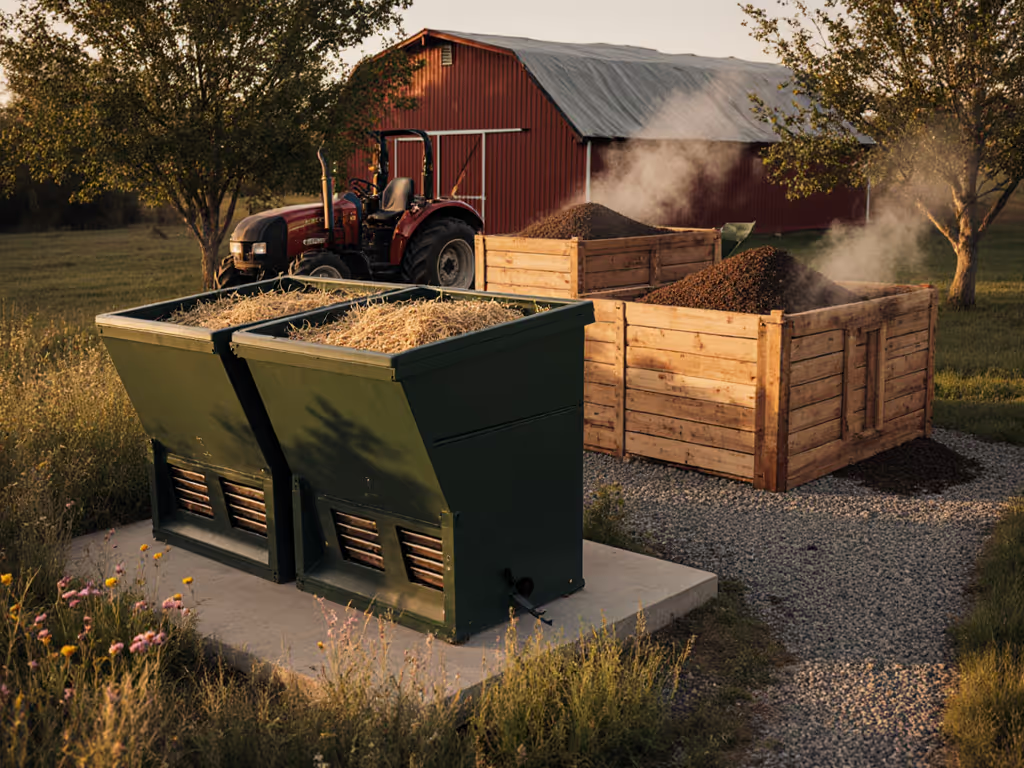
Introduction
If you keep chickens, rabbits, or other small livestock on a backyard or homestead scale, you're likely facing a persistent question: what's the best way to handle the steady stream of bedding, manure, and soiled straw? Animal bedding compost bin comparison and homestead livestock waste composting are not afterthoughts (they're central to keeping your operation compliant, neighbor-friendly, and sustainable).
Unlike kitchen scrap composting, which can flex between multiple methods, animal bedding demands a more structured approach. The volume is often higher, the carbon-to-nitrogen ratio differs significantly, and local wildlife regulations plus HOA restrictions can make or break your choice. This guide walks through the main compost systems designed for small-scale animal waste, compares their strengths and trade-offs, and helps you avoid costly mistakes.
Why Animal Bedding Composting Differs from Kitchen Scraps
Animal bedding (typically straw, wood shavings, or hemp) combines carbon-rich material with nitrogen-rich manure, creating a ready-made feedstock. That sounds ideal, but the reality requires structured management.
Volume and heat generation. A small flock or rabbitry produces 2 to 5 cubic yards of mixed bedding and waste weekly, depending on animal count and bedding type. This high volume means your system must handle throughput without becoming an odor or pest magnet.
Carbon-to-nitrogen balance. Fresh animal manure runs nitrogen-rich. Straw and wood shavings are carbon-heavy. When mixed, they often land in the ideal zone (a C:N ratio between 25:1 and 30:1), which fuels accelerated decomposition. Kitchen scraps alone rarely achieve this without added browns.
Pathogen and odor risk. Uncomposted manure can harbor harmful pathogens and attracts flies, rodents, and in some regions, bear interest. Compliant composting requires either hot-pile conditions (sustained above 130°F) or sealed, actively managed systems. Half-measures invite neighbor complaints, and often, compliance letters from local authorities.
Main Compost Systems for Animal Bedding: A Comparison
Windrow and Open Pile Systems
How it works: Material is stockpiled in long rows or mounds, passively composting over 4-12 months. It may be turned occasionally to speed decomposition.
Pros:
- Low upfront cost
- Handles large volumes efficiently
- Minimal active maintenance once established
- Final compost is fully "finished" if managed well
Cons:
- Requires significant space (20+ feet minimum)
- Weather-dependent; dries out in hot climates, becomes soggy in wet regions
- Odors during active decomposition, especially in early weeks
- Attracts pests if not managed aggressively
- Often non-compliant in residential zones or where wildlife pressure is high
- Neighbors and HOAs frequently object to appearance and smell
Risk-forward note: Open piles in suburban areas are the fastest route to nuisance complaints. Many municipalities ban them outright in residential neighborhoods, making a compliance check non-negotiable.
Sealed Tumblers
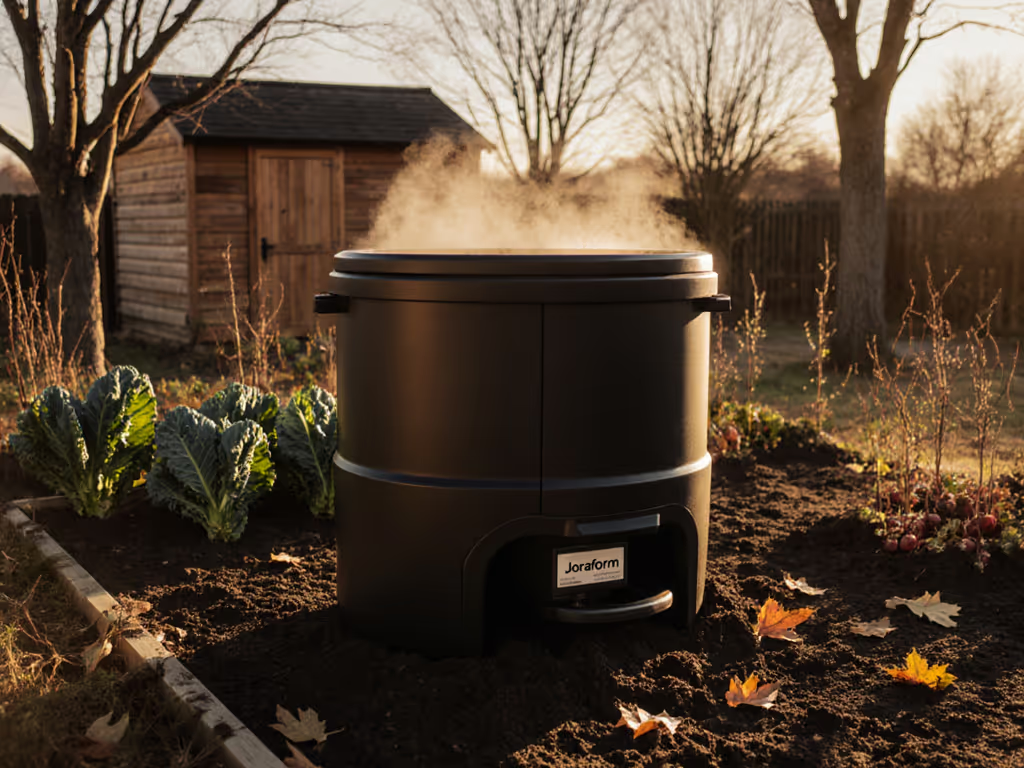
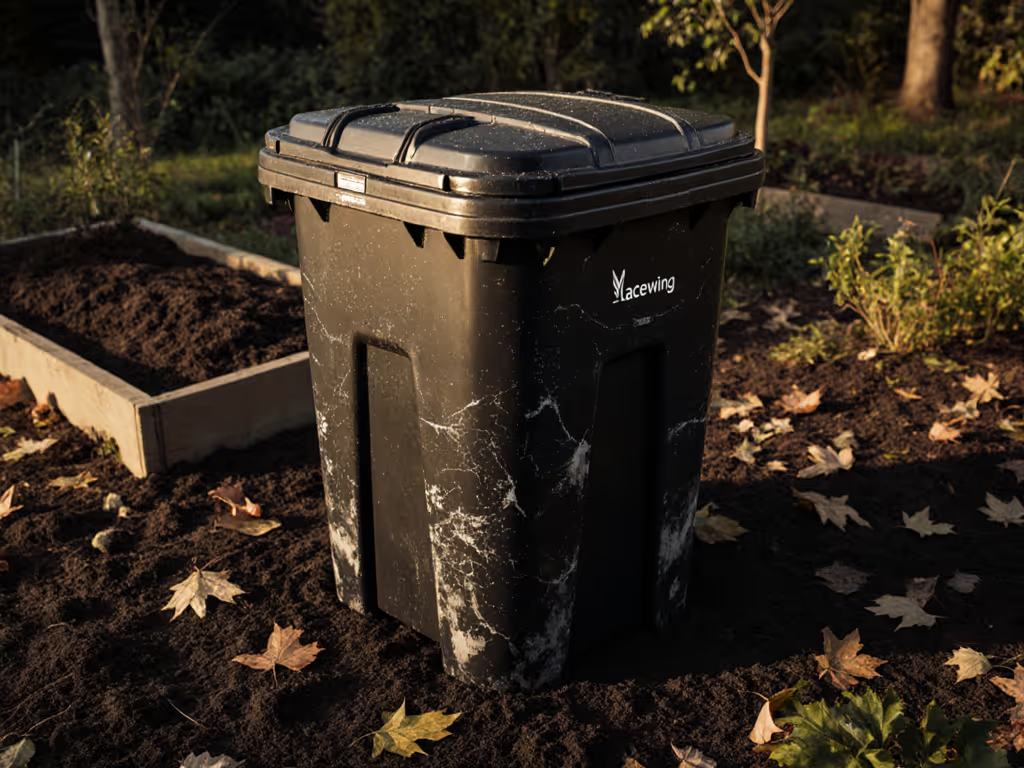
How it works: A rotating or stationary drum, fully enclosed, holds bedding and manure. After loading, it's sealed and may be rotated (manual or motorized) to aerate and accelerate decomposition, or left static for slower breakdown. If you're deciding between designs, see our stationary vs tumbling bins comparison for a deeper breakdown of effort, speed, and maintenance.
Pros:
- Fully pest-proof and odor-controlled
- Weather-protected; works in rain, extreme heat, or freezing temperatures
- Faster decomposition if actively rotated (8-16 weeks possible)
- Compact footprint; fits small yards, patios, even semi-urban spaces
- Regulatory-friendly; many local codes approve sealed tumblers explicitly
- Easy to ground-anchor, addressing wildlife and wind concerns
Cons:
- Higher upfront cost ($300-$1,200 depending on size and material)
- Manual tumblers require regular turning (physical effort required)
- Motorized models add energy cost and maintenance complexity
- Compost "finishes" inside the drum; no separate curing space
- Capacity is finite; overflow management becomes necessary
Case study note: An HOA issued a nuisance violation after an open pile scattered compost and odors escaped during a windy week. After reviewing the local wildlife ordinance, the board approved sealed tumblers with ground anchoring and strict carbon top-off rules. Complaints dropped to zero within weeks, and three neighboring households joined a negotiated curbside organics pickup. The sealed system became the compliance path that unlocked broader community adoption.
Stationary Bins (Wood, Composite, or Metal Frames)
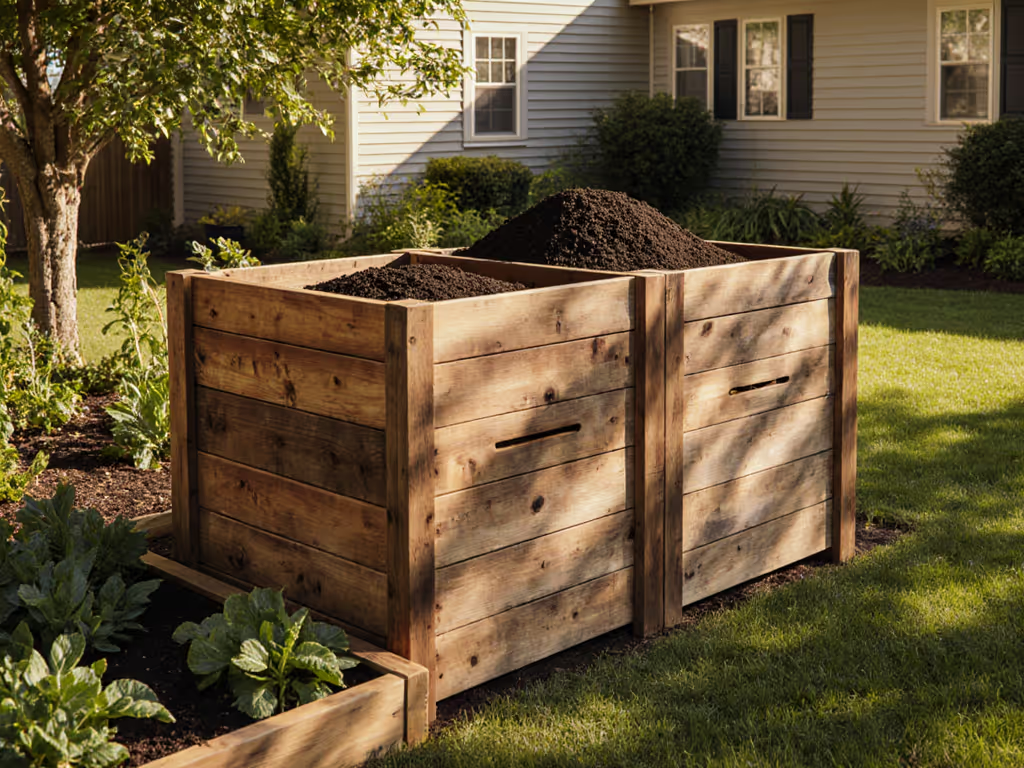
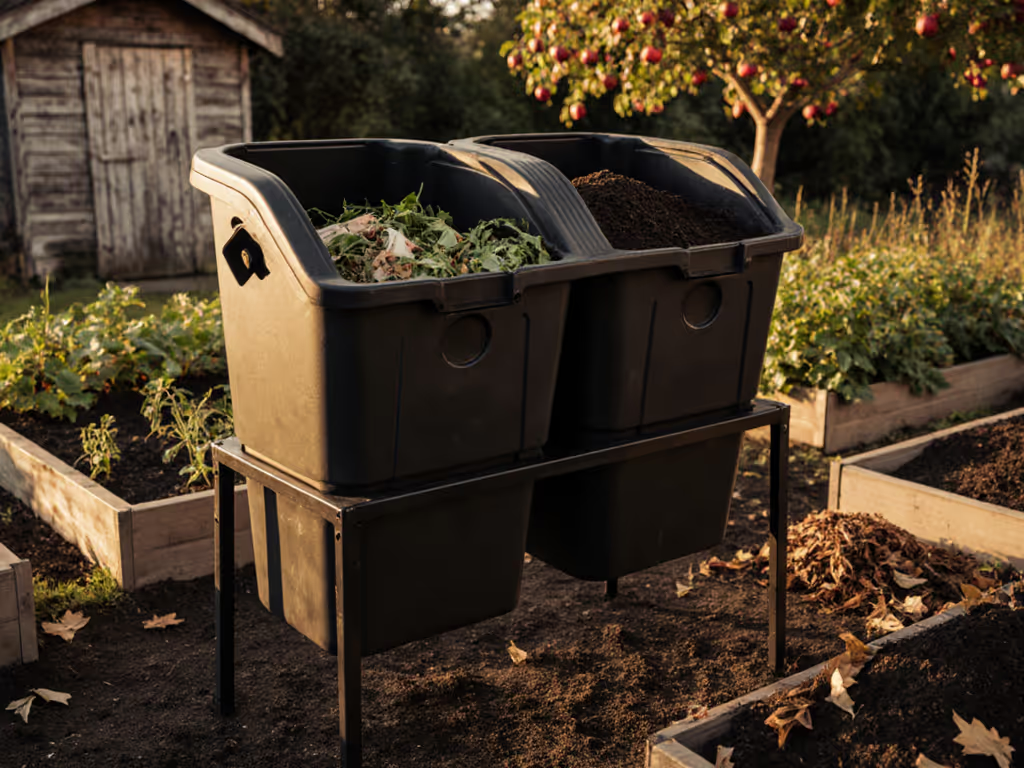
How it works: Fixed, open-top or slatted bins (typically 3×3×3 feet or larger) hold bedding and manure in passive or actively managed piles. Some designs feature removable front panels for easy turning and harvesting.
Pros:
- Moderate upfront cost ($150-$500 per bin)
- Space-efficient if stacked or placed side-by-side
- Easy access for turning and monitoring
- Open-top allows beneficial organisms to contribute
- Supports multiple piles in rotation (one active, one curing, one finished)
- Works well in temperate, dry climates
- Physical turning is controllable and low-tech
Cons:
- Not fully pest-proof; rats and raccoons can squeeze through gaps
- Odors escape, especially in early decomposition or if moisture is imbalanced
- Weather-exposed; freeze-thaw cycles slow decomposition in winter, summer heat can desiccate piles
- Requires active management: turning every 7-14 days for fast composting, or monthly for slower breakdown
- Not universally approved in HOA-governed areas
- Neighbors may object to visual appearance
In-Ground or Sunken Bins
How it works: A bin or containment sits partially or fully below grade, with drainage integrated. As material decomposes, leachate seeps into surrounding soil and material volume reduces over time.
Pros:
- Nearly invisible; aesthetically neutral for HOA and neighbor concerns
- Excellent for cold climates; earth-bermed design retains heat
- Low cost if built from reclaimed materials
- Minimal pest entry once established
- Doubles as a landscape drainage and nutrient sink
Cons:
- Slow decomposition (12+ months typical)
- Difficult to access, monitor, and harvest
- Poor drainage or water pooling becomes anaerobic and foul-smelling
- Excavation and installation can be labor-intensive
- Not suitable for renters
- High moisture zones may breed pathogens rather than kill them
Bokashi-Style Fermentation (Secondary Method)
How it works: Bedding and manure are layered with a carbon-rich inoculant (sawdust, bran, or specialized bokashi bran). The mix ferments anaerobically in a sealed bucket or bin over 2-4 weeks, then cures in a compost pile.
Pros:
- Very compact; works in small spaces, even indoors
- Fast initial breakdown (fermentation phase is rapid)
- Odor is contained if sealed properly
- Ideal for space-limited homesteads
- Can be done year-round
Cons:
- Fermented material is not fully composted; must cure afterward (adding 4-8 weeks)
- Requires reliable supply of bokashi bran or inoculant (cost and sourcing)
- Not suitable for large volumes
- Requires a separate curing phase
- Less familiar to most backyard gardeners; steeper learning curve
Key Factors: Choosing the Right System
Compliance and Local Rules
Before committing to any system, check your local ordinances, HOA rules, and wildlife regulations:
- Banned methods: Many jurisdictions prohibit open piles in residential zones.
- Bear-resistant requirements: If you're in bear country, sealed and ground-anchored systems are mandatory.
- Setback distances: Rules often mandate compost systems be 10-50 feet from neighboring properties or waterways.
- Noise and visual restrictions: Motorized tumblers or large pile heights may violate local code.
Compliance first, then convenience (no fines, no raccoon headlines).
Check before you buy.
Climate and Seasonal Patterns
Cold winters: Passive systems slow dramatically. Sealed tumblers or insulated bins retain heat better. In-ground systems leverage earth insulation. For strategies that keep your pile active in freezing weather, see our winter composting comparison. Active turning accelerates breakdown even in cold weather.
Hot, dry climates: Open piles desiccate rapidly; sealed tumblers and bins require vigilant moisture monitoring. Windrows may need shade cloth or placement under eaves.
Wet and humid zones: Drainage is critical. Stationary bins with slatted floors and in-ground systems with good drainage prevent anaerobic, foul-smelling stagnation.
Windy or exposed sites: Ground-anchored systems or recessed bins avoid blow-outs. Open-top bins on balconies or slopes present significant risk.
Space and Volume Assessment
- Under 2 cubic yards weekly: A single sealed tumbler or bokashi system plus a secondary compost bin.
- 2-5 cubic yards weekly: Two tumblers in rotation, or a stationary 4×4×4 bin with regular turning.
- Over 5 cubic yards weekly: Windrow system (if compliant), multiple bins in sequence, or a hybrid approach (sealed tumbler for fast turn + open bin for curing overflow).
Maintenance Tolerance and Household Buy-In
Low-maintenance preference: In-ground or passive open bins (accept 12+ months completion). Sealed tumblers reduce turning labor but add upfront cost.
Active management preferred: Stationary bins with scheduled turning (weekly to bi-weekly) offer control and faster finished compost.
Aesthetic or space concerns: Sealed tumblers or in-ground systems gain household and HOA approval more readily.
Practical Selection Checklist
- Regulatory check: Contact your local waste management office or HOA. Ask which systems are permitted. Request wildlife and setback rules in writing.
- Volume assessment: Measure weekly bedding and manure output. If possible, weigh it; 1 cubic yard ≈ 300-500 lbs when wet.
- Climate profile: Note your region's winter lows, summer highs, typical annual rainfall, and wind exposure.
- Space available: Measure your dedicated composting area. Note proximity to neighbors, sight lines from street, and accessibility for turning or harvesting.
- Physical capability: Assess who will manage the system. Turning heavy piles or cranking a tumbler may not suit all household members.
- Timeline expectations: Decide if you need finished compost for gardens, or if finished product is secondary to waste volume reduction and odor elimination.
- Budget and durability: Factor upfront cost, maintenance supplies (carbon amendments, tools), and expected lifespan of materials.
Avoiding Nuisance Conditions: Early Risk Mitigation
The fastest path to a compliance complaint or neighborhood conflict is allowing odor or pest activity to escape your control. Use our neighbor-friendly compost troubleshooting guide to quickly fix odors, pests, and slow-downs before complaints start. Here's how to avoid nuisance conditions from the start:
- Match capacity to volume. Undersized systems overflow; oversized systems don't heat adequately. Both breed odors and pests.
- Layer carbon and nitrogen intentionally. Animal bedding alone can smell sour. Mix in shredded paper, sawdust, or dry leaves (roughly 3:1 bedding-to-added-carbon ratio).
- Monitor moisture closely. Soggy piles smell foul; overly dry piles breed flies. Aim for "wrung-out sponge" texture.
- Seal or cover. Even passively managed systems benefit from loose covers to exclude rain and reduce odor drift to neighbors.
- Set a turning or monitoring schedule. Active systems require discipline. Passive systems need quarterly checks for moisture and odor issues.
- Ground-anchor secured systems. Tumblers and bins must resist wildlife and wind, especially if bears or large raccoons are present in your area.
Measuring Progress and Success
Track what matters to your household:
- Waste diverted: Weigh bedding before and after each composting cycle to quantify impact.
- Finished compost available: Harvest cycles (quarterly, bi-annually, or annually) indicate system health and completeness.
- Neighbor feedback: Silence is success; one mention of odor means immediate adjustment is required.
- Pest or pathogen incidents: Zero reports indicate your system is working as intended.
- Regulatory compliance: No letters, fines, or enforcement action from local authorities.
Conclusion: Next Steps for Your Homestead
Animal bedding compost bin comparison is more than a purchasing decision; it is a compliance and community foundation. Start by clarifying local rules, assessing your volume and climate, and choosing a system that balances capacity, compliance, and your household's willingness to maintain it.
If you're uncertain, begin smaller and iterate. A sealed tumbler for fast breakdown plus a stationary bin for curing overflow gives you flexibility without committing to a large footprint or high cost. As your confidence and infrastructure grow, you can expand or refine your approach.
Reach out to your municipality's waste or sustainability office for recommended systems, rebates, or local composting workshops. Many offer free guidance and subsidies for compost bins meeting regional standards. Search for "animal bedding composting" combined with your city or county name to find community forums, demonstration sites, or local-scale guidance tailored to your climate and regulations. Local extension offices often host workshops on chicken coop compost systems and small livestock waste processing specific to your region.
Related Articles