Compost Bin Lifecycle: Environmental Impact Guide
By Lucas Hoshino • 19th Feb
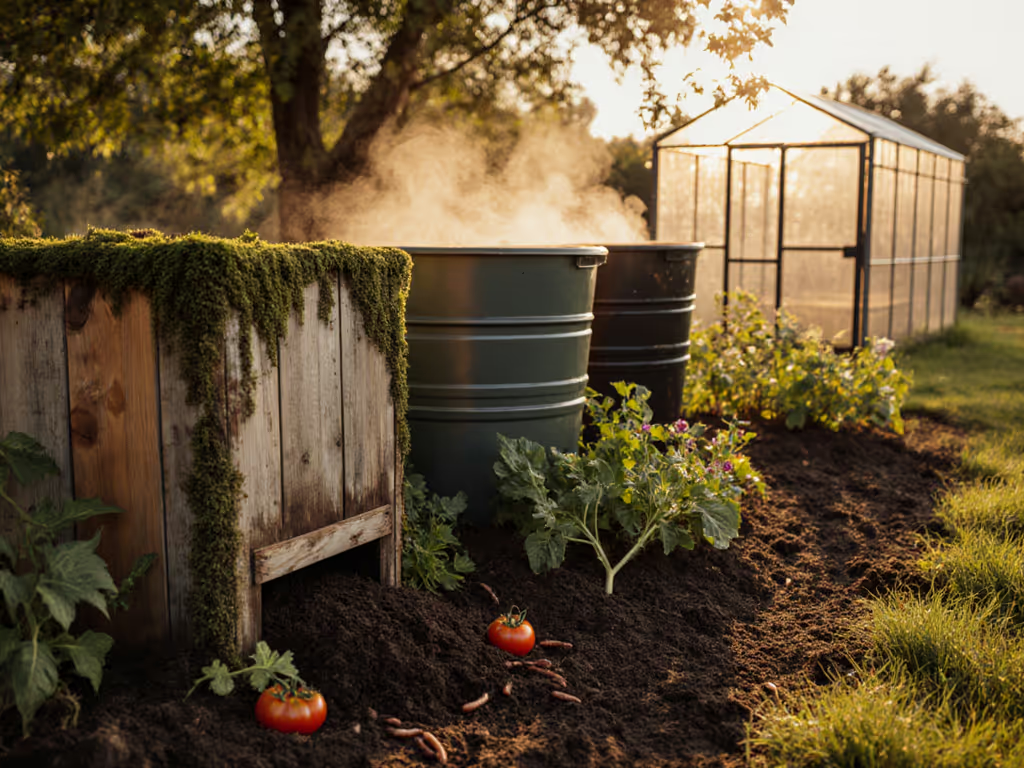
When you choose a bucket compost bin or any container system, you're not just buying a receptacle, you're making a decision that ripples through your soil's biology and your garden's productivity for years. The eco-friendly compost lifecycle of a bin spans from manufacture through end-of-life disposal, and what happens in between determines whether your investment feeds plants or just your sense of environmental virtue. Understanding how different materials and designs perform over their full lifespan is the only way to make a choice that aligns with both your values and your harvests.
How Does Material Choice Shape a Bin's Environmental Footprint?
The materials used to build a compost bin container aren't neutral. Each carries embodied energy, recycling potential, and durability trade-offs that add up over the bin's working life. For a data-backed comparison of material performance across climates, see our durable bin materials guide.
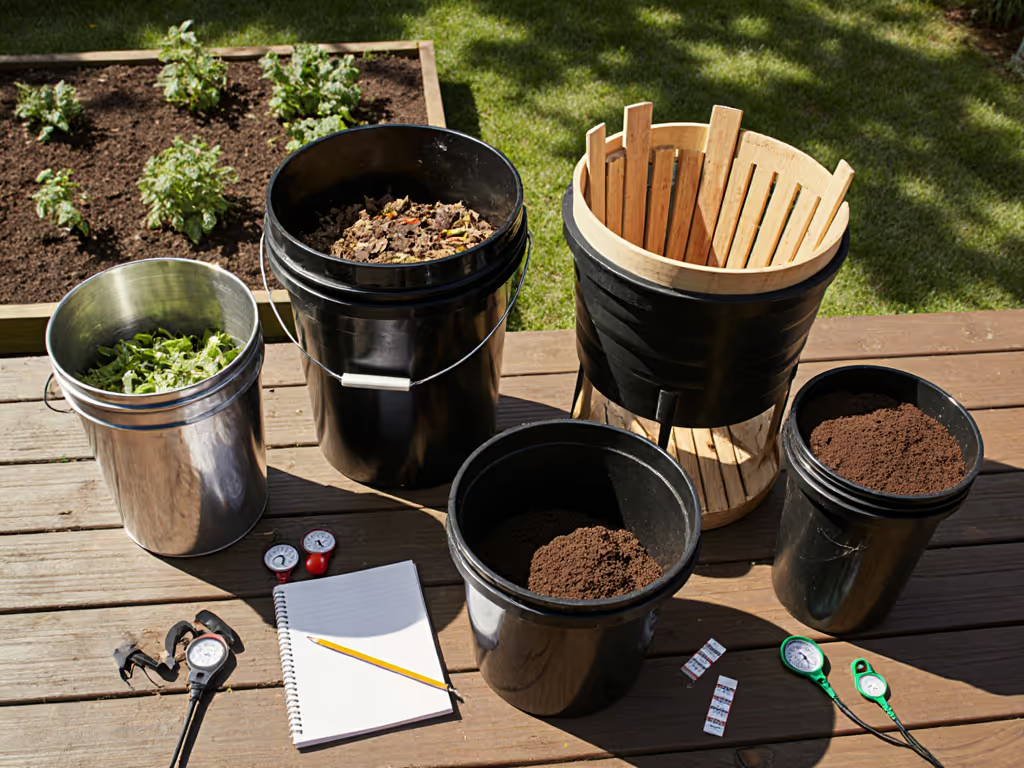
Plastic bins, typically made from HDPE or polypropylene, arrive affordable and lightweight. They retain heat and moisture efficiently, with black plastic bins capturing solar warmth and accelerating decomposition. However, prolonged UV exposure makes them brittle over time, often leading to premature replacement. Plastic's environmental profile is complicated: while some manufacturers use recycled content, most plastic bins end up in landfills due to low recycling rates. If a plastic bin fails after five years, you've added new waste while trying to reduce it.
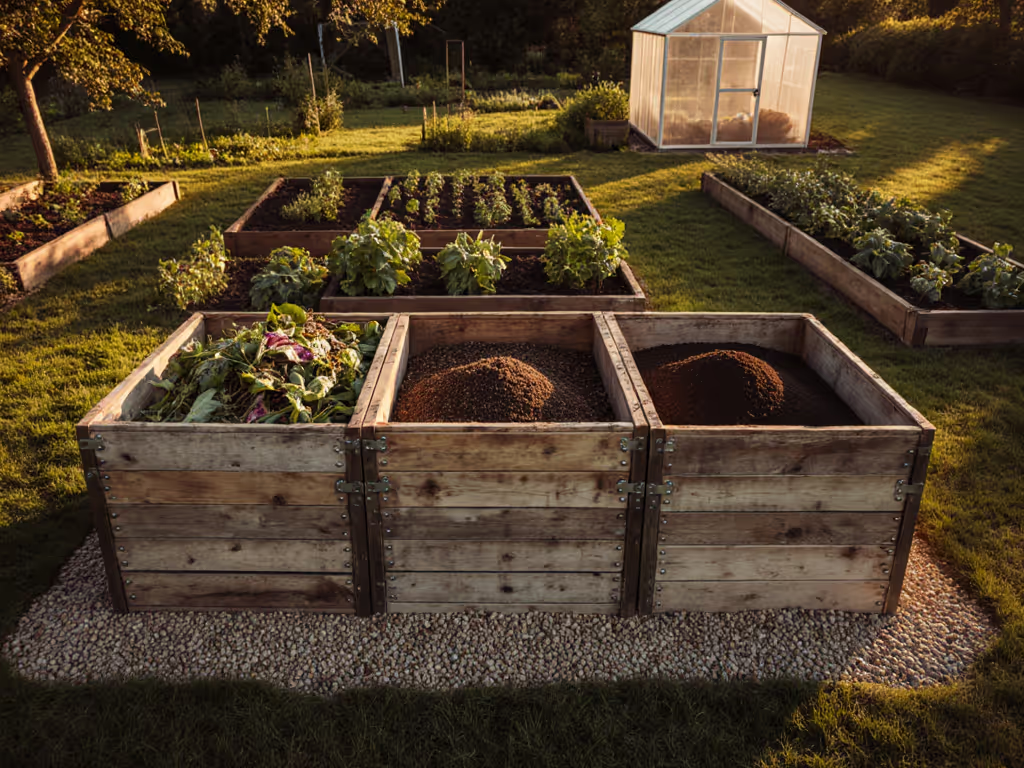
Wooden bins, especially cedar and redwood, are naturally rot-resistant and allow excellent airflow. They're biodegradable at end-of-life, a genuine sustainability advantage over plastic. Yet they require ongoing maintenance (sealing, repairs, pest management) to survive weather and pests like termites. To extend lifespan and reduce waste, follow our compost bin repair guide. That maintenance burden often translates to earlier replacement, eroding their initial eco-appeal.
Metal bins, particularly stainless steel, represent durability-first thinking. They resist rust, contamination, and pest infiltration. Stainless steel is recyclable and often made from recycled content, so end-of-life disposal closes a loop. The tradeoff: stainless steel carries a high upfront cost and heavier environmental impact during manufacturing. But if a bin lasts 20 years instead of 5, that manufacturing footprint spreads across decades.
The real environmental measure isn't what a bin is made of, it's how long it lasts and how much compost quality it delivers before you discard it.
What's the Connection Between Bin Durability and Finished Compost Quality?
This question cuts to the heart of why bin choice matters. A durable bin that reliably produces mature, clean compost is far more sustainable than a cheap option that requires replacement or fails to deliver usable output.
Thick-walled plastic bins decompose materials faster than thin-walled models due to superior heat retention. Faster decomposition means finished compost sooner, which shortens the time the bin occupies your space and the carbon footprint of waiting. Fast results also mean you're more likely to actually use the compost in your garden rather than letting it age indefinitely.
Wooden bins, with their superior airflow, excel at aerating static piles. Aeration is crucial for pathogen kill-off and weed seed death. Poor aeration creates anaerobic pockets that produce odor and attract pests, a real pain point for neighbors and your own nose.
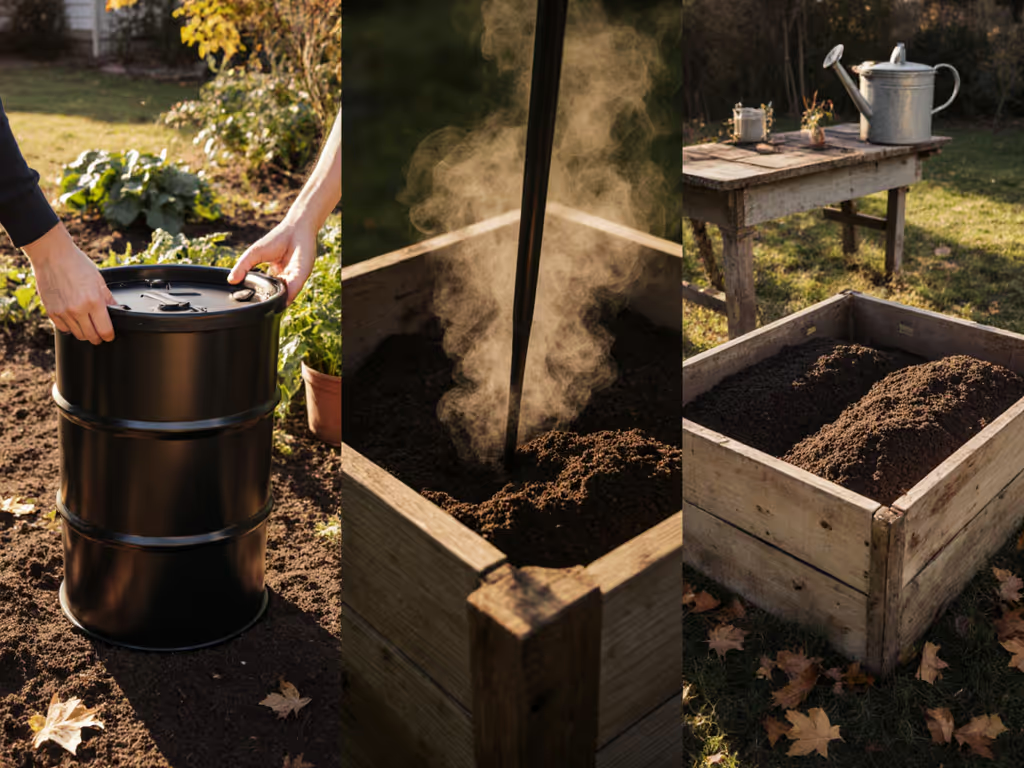
Metal bins combine durability with thermal mass, so they maintain stable decomposition across seasonal swings. In climates with harsh winters or intense summers, this stability translates to more reliable finished compost and fewer "stuck" piles.
I learned this the hard way. My tomatoes doubled, literally, after I ditched a soggy, oxygen-starved pile for an aerated static bin made from untreated wood on a wire frame. I logged C:N ratios religiously, sifted the finished product with a cheap $30 frame, and measured soil organic matter with a basic kit. The finished compost spread cleanly, roots ran visibly deeper, and, this was the shocker, the bin choice showed up in my harvests. Plants vote with roots.
Which Material Is Truly Most Eco-Friendly Over Its Lifetime?
There's no universal answer, but the data suggests a hierarchy based on lifespan and output quality.
Recycled material composters built from reclaimed plastic or composite blends represent a middle path. They divert waste from landfills during manufacture and often accept recycling at end-of-life. Their durability is moderate, typically 7-10 years, but the recycled content offsets some manufacturing impact.
Biodegradable bin options are rare and often misleading. Most "compostable" bin labels refer to industrial composting conditions (high heat, moisture, and aeration) that don't exist in backyard systems. A plastic bin marketed as "home compostable" may degrade into microplastics in soil, which is worse than staying intact. Be skeptical of greenwashing here.
Sustainable manufacturing compost bins, those using certified recycled inputs, renewable energy in production, and recyclable end-of-life processes, carry transparent supply chains. They're rarer and pricier but represent genuine environmental accounting.
The truest measure: a bin that produces finished compost that enriches soil, reducing your need for external amendments. Compost that feeds plants, not just the bin owner's ego.
How Long Should a Compost Bin Last Before Replacement?
Lifespan directly determines whether a bin is a net environmental win or loss.
Plastic bins typically survive 5-8 years before cracking or becoming unusable. That's a short runway. If you compost 100 pounds of food scraps yearly, over five years you've diverted 500 pounds from landfill, meaningful work. But if you're buying a new $80 plastic bin every five years, you're adding 400 pounds of new plastic waste to the planet every five years just to keep composting.
Wooden bins, with proper maintenance, last 10-15 years. That's double or triple the plastic timeline. Cedar, if sealed annually, can stretch toward 20 years. The maintenance cost (sealant, occasional repairs) is real but spreads your environmental investment further.
Metal bins routinely last 20+ years and are often passed down or sold secondhand without degradation. A stainless steel bin bought used or inherited is virtually carbon-neutral at that point.
The decision framework: Calculate your total cost of ownership (purchase + replacement cycles) over 20 years. A $300 metal bin lasting 20 years costs $15 per year. A $60 plastic bin lasting 5 years costs $12 per year, but you're buying four bins, generating four disposal events. Suddenly the math shifts.
What Role Does Bin Size Play in Environmental Efficiency?
Oversizing and undersizing both create waste and frustration, a common pain point in the audience I address.
Undersized bins overflow, forcing excess scraps to landfill or creating outdoor odor and pest problems. They also fail to build sufficient thermal mass for hot composting, slowing decomposition and requiring longer residence times.
Oversized bins never heat adequately because the carbon-to-nitrogen ratio stays too low. The pile stalls, becomes anaerobic, and produces compost that's immature and potentially contaminated with pathogens or weed seeds. That compost, spread in your garden, can introduce problems rather than solve them.
The right-sized bin matches your household scrap volume and your local climate. A family of four in a temperate zone typically needs 4-6 cubic feet for manageable hot composting; a smaller household or cold climate might thrive with 3 cubic feet. Oversizing by more than 50% is false economy. You're carrying environmental cost for unused capacity.
How Does Climate Affect Bin Material Performance and Replacement Cycles?
Climate is not a minor factor; it's often the decisive one. Audience members in hot/dry regions, cold winters, coastal humidity, and high-wind areas each face unique material challenges.
In hot, arid climates: Plastic bins may trap heat to the point of cooking the pile too fast, leaving it unbalanced. They also become brittle faster from UV exposure. Metal bins, though better for durability, conduct heat and can create conditions too hot for beneficial microbes. Wooden bins, surprisingly, excel, their breathability prevents desiccation while allowing aeration.
In cold winters: Thick-walled plastic bins retain residual heat better than wood or thin metal. Insulated designs matter. Compare cold-weather setups in our winter composting solutions to keep your bin active when temperatures drop. Poor insulation means your pile freezes, stopping decomposition for months and requiring spring restart.
In wet, humid climates: Plastic traps moisture and can go anaerobic. Wooden bins with proper drainage and aeration prevent saturation. Metal bins, if not elevated, can rust from constant moisture, though stainless steel resists this.
Replacement cycles shorten dramatically in mismatched climates. A plastic bin in an intensely sunny desert lasts 3 years. The same bin in a temperate zone lasts 8. That's a 3x difference in environmental efficiency.
What Happens to Your Compost Bin After It's No Longer Usable?
End-of-life disposal is where most composters' environmental thinking stops, but it shouldn't.
Plastic bins usually go to landfill, rarely achieving recycling because mixed resins and degraded material quality defeat most municipal programs. Some end up in incinerators or, worse, overseas dumps.
Wooden bins are theoretically biodegradable, but pressure-treated wood contains toxic compounds that persist in soil. Untreated cedar or redwood genuinely decomposes, returning carbon to soil, a genuine closed loop. But you must verify your bin isn't treated.
Metal bins and stainless steel enter recycling streams reliably. Aluminum and steel command value in scrap markets, so they're recovered and remelted. That's genuine circularity. Stainless steel, because it resists corrosion, is often recovered as-is or separated for specialty applications.
The environmental impact of disposal should influence your material choice at purchase. If you prioritize true end-of-life responsibility, metal or untreated wood edge out plastic. For responsible options at the end, see our compost bin retirement guide.
How Does Your Finished Compost's Quality Affect Your Overall Environmental Impact?
Here's where most discussions stumble: a bin's true environmental win is measured by the compost it produces and how that compost performs in soil.
Immature or contaminated compost, loaded with seeds, pathogens, or heavy metals, creates more problems than solutions. You might spread it in your garden, introducing weeds or disease. Poor compost also doesn't improve soil structure or water retention, so your plants need more water and fertilizer. That cascades into more resource consumption.
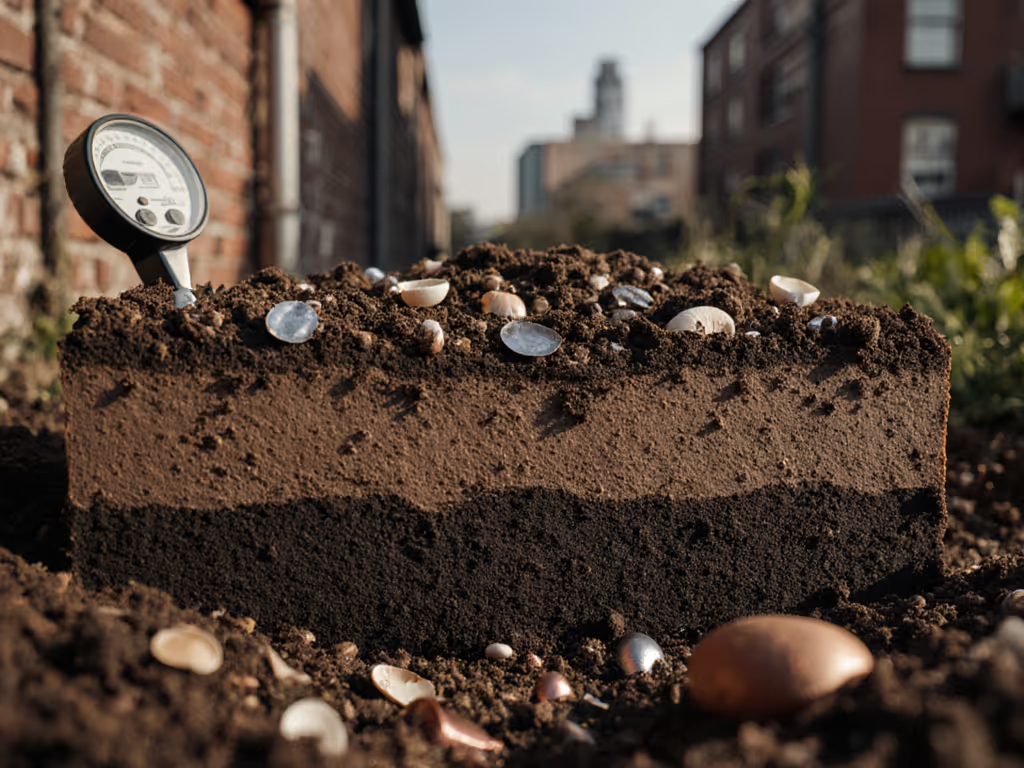
Mature, clean compost does the opposite. It binds soil aggregates, improving structure and water-holding capacity. It feeds microbial life and deepens root zones. Measurably, gardens amended with quality compost require less water, less fertilizer, and produce higher yields over time, a compounding environmental return.
Your bin choice affects this outcome directly. A bin that fails to reach thermal peaks or maintain aeration delivers immature compost. A bin that allows pest infiltration or moisture imbalance produces contaminated output. The environmental footprint of a "bargain" bin that produces poor compost is negative. The footprint of a durable bin producing clean, mature compost is deeply positive.
What Questions Should You Ask Before Choosing a Material?
1. How long will this bin realistically last in my climate? Look for durability data specific to your region. A bin rated for temperate zones may fail in desert or freeze-thaw cycles. Ask sellers or read user reviews from climates matching yours.
2. Will this bin reach temperatures sufficient for hot composting? A bin that stays cool produces slower, lower-quality compost. Thicker walls, dark color, and insulation are markers of thermal capacity.
3. Can I realistically maintain this bin? If it's wooden, are you sealing it annually? If it's plastic, can you tolerate brittleness? Be honest. Unmaintained bins become liabilities faster.
4. What happens when this bin fails? Can it be recycled? Will it end up in landfill? This shapes your true environmental cost.
5. Does the finished compost quality match my gardening goals? A bin that doesn't produce clean, mature compost is a failed investment, regardless of material.
Moving Forward: Linking Bin Choice to Garden Performance
Choosing a compost bin is not a neutral decision. It's a commitment to a material system, a manufacturing footprint, a decomposition process, and, ultimately, a compost product that enters your soil and shapes your plants' performance.
The most eco-friendly bin is the one that lasts long enough, performs consistently enough, and produces finished compost good enough to justify its environmental cost. That's usually a durable, appropriately sized bin matched to your climate and maintenance capacity, not always the cheapest or trendiest option.
Your next step: audit your current composting setup or the bin you're considering. Trace it backward through its manufacture, forward through its lifespan, and imagine it 10 years from now. If you can't picture clean, mature compost feeding your garden from that system, reconsider. Because plants vote with roots. They'll show you (through vigor, yields, and soil life) whether your bin choice was wise.
Related Articles